Selling You 'Real': The Billion-Dollar Hustle Behind Celebrity Vulnerability
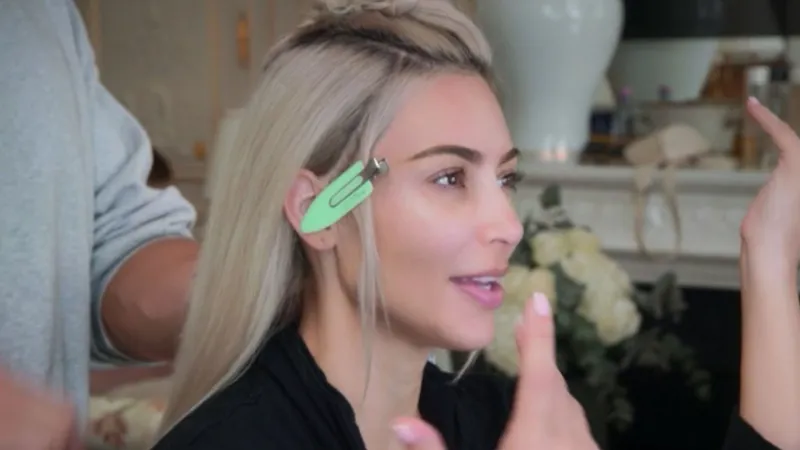
Photo: celebrity influencer behind the scenes fake candid phone selfie, via www.the-sun.com
Let's set the scene. A mega-famous celebrity posts a photo. No filter. Messy bun. A half-eaten bowl of cereal on the counter behind them. The caption reads something like "just me, being me 🤍" and within forty-eight hours it has four million likes, a trending spot on Twitter, and — oh, look at that — a sponsored post for a wellness brand sitting three squares below it on their feed.
Coincidence? Babe, nothing in celebrity marketing is a coincidence.
We are living inside the golden age of performed authenticity, and the truly wild part? It's working. It's working so well that the global influencer marketing industry is projected to hit over $20 billion, and a huge chunk of that cash is built entirely on the premise that someone famous is being genuinely themselves at you. For money. In a contractually obligated way.
Take a second to sit with that.
The Origin Story Nobody Asked For But Everybody Funded
The authenticity industrial complex didn't appear out of nowhere. It was a direct response to a very specific cultural moment: audiences got wise to the glossy, untouchable celebrity aesthetic of the early 2000s and collectively decided they were over it. The airbrushed magazine covers, the PR-scripted interviews, the carefully curated red carpet personas — people started rejecting the fantasy.
So what did the celebrity machine do? It pivoted. Hard.
Suddenly everyone had a podcast where they cried about their childhood. Instagram Stories became confessional booths. TikTok handed A-listers a direct line to their audiences with zero editorial gatekeeping — or so it appeared. The stars who leaned into the chaos, the imperfection, the relatable content, watched their engagement numbers explode. And where engagement goes, money follows like a golden retriever chasing a tennis ball.
The lesson the industry learned: vulnerability is a product. Package it correctly, and it sells better than perfection ever did.
The Mechanics of the Manufactured Moment
Here's how the playbook actually works, because there absolutely is a playbook.
Step one: establish the 'real' persona. Post the no-makeup content. Share the anxiety story. Film yourself ugly-crying in a car. Let people see the house when it's messy — but not actually messy, more like artfully undone messy, the kind of messy that takes a stylist forty minutes to arrange.
Step two: build parasocial equity. This is the crucial part. You need your audience to feel like they know you. Like you'd be friends if circumstances were different. Like you're the famous person who would actually respond to their DM. Every 'authentic' moment is a deposit into that emotional bank account.
Step three: cash out. Once the audience trusts you the way they'd trust a friend, they'll buy what you recommend. Not because you're a celebrity — that era is over — but because you're their celebrity. The one who gets it. The one who's real with them.
The math is genuinely sinister in how elegant it is.
The Vulnerability-to-Revenue Pipeline
Let's talk specifics, because the abstract is easy to dismiss. When a major influencer posts about their mental health struggles and then drops a meditation app partnership the following week, that's not a coincidence in timing — that's strategy. When a celebrity goes on a podcast and gets emotional about their divorce and the episode is sponsored by a direct-to-consumer therapy platform, someone in a boardroom approved that alignment intentionally.
The personal revelation is the marketing funnel. The rawness primes the audience emotionally. The brand deal drops into a crowd of people who have just been made to feel close to this person, whose defenses are down, who are nodding along thinking wow, they're just like me.
They are not just like you. They have a manager, a publicist, a brand partnerships director, and a social media strategist who A/B tests caption language. But the feeling is real, even if the spontaneity isn't, and in the attention economy, feelings are the only currency that matters.
Audience Complicity: The Part Nobody Wants to Hear
Here's where it gets uncomfortable, and Skitz isn't going to let you off the hook on this one.
We — the audience, the fans, the consumers — created the demand for this product. We are the ones who started punishing celebrities for being too polished and rewarding them for being 'real.' We built the cultural conditions where the most valuable thing a famous person can offer is the illusion of access. We clicked. We shared. We commented "omg this is exactly what I needed to hear today" on a post that was drafted in a content strategy meeting.
The demand for authenticity is genuine. The response to that demand is manufactured. And the gap between those two things is where approximately ten to fifteen million dollars a year lives, depending on your follower count and niche.
We wanted the real person behind the brand, and the brand just became the real person. Or rather, 'the real person' became another layer of brand. It's brands all the way down.
The Tell-Tale Signs You're Being Authenticity-Farmed
Not all vulnerability is performance, to be clear. Some celebrities are genuinely just out here being human beings on the internet and occasionally something unscripted happens. But there are patterns worth recognizing:
- The emotional post followed by the brand deal within 72 hours. Timing is everything in content strategy. If the sad story and the sponsored product are consistently adjacent, that's a pipeline, not a coincidence.
- The 'I almost didn't post this' caption. They posted it. They always post it. The hesitation is part of the script.
- The perfectly lit 'candid' shot. Natural light that somehow hits exactly right. Messy hair that somehow looks incredible. Authenticity, professionally lit.
- The vulnerability that never actually costs them anything. Real rawness has consequences. Performed rawness is carefully edited to be relatable without being genuinely risky.
So What Do We Do With This Information?
Honestly? Probably nothing, and that's fine. You can know a magic trick is a trick and still enjoy the show. The authenticity economy isn't going anywhere because the human need for connection it exploits isn't going anywhere. People want to feel seen by the people they admire. Celebrities want to monetize that feeling. Brands want to buy access to that moment of emotional openness. Everyone gets something out of the transaction.
But maybe — maybe — the next time someone famous posts about their struggles and you feel that warm rush of they're just like me, you hold it lightly. Appreciate the craft of it. Because make no mistake, it is craft. Selling 'real' at scale, convincingly enough that millions of people feel personally connected to someone they've never met, is genuinely difficult work.
It's just not the work they're claiming to be doing.
The most expensive thing in celebrity culture right now isn't a designer wardrobe or a Malibu compound. It's a convincing performance of having neither. And somebody out there is getting very, very paid to make sure you never notice the difference.