Cry, Rinse, Repeat: The Celebrity Apology Formula That's Somehow Still Fooling Everyone
Somewhere in Los Angeles right now, a publicist is drafting an apology. Not because their client is genuinely sorry. Not because anyone sat down for a hard conversation and came out changed. But because the internet got loud, the brand deals started wobbling, and someone in a glass-walled office decided it was time to deploy the script.
The script, by the way, has not been updated since approximately 2012.
The Blueprint Nobody Is Pretending Doesn't Exist
Let's just lay it out, because at this point the formula is more predictable than a Marvel post-credits scene. Step one: the incident. Could be a slur, a shady business practice, a leaked text, a decade-old tweet, or — the classic — getting caught doing exactly what everyone already suspected they were doing. Step two: radio silence while the PR team calculates the damage. Step three: the drop.
The drop is always a video or a Notes app screenshot. Never a phone call. Never an actual press conference where someone can ask a follow-up question. Always a controlled environment where the celebrity gets to be both the defendant and the judge.
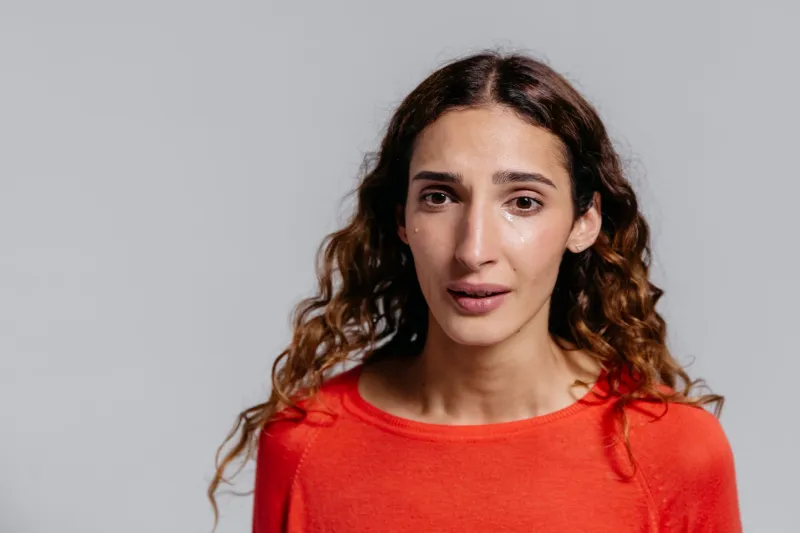
The video version is the premium package. Soft lighting. A couch that says 'I'm approachable.' Hair that's styled to look unstyled. And the tears — oh, the tears. Not the ugly, splotchy kind that come from actually feeling something. The single-tear-on-the-cheekbone kind. The kind that communicates vulnerability without compromising the contour.
'I've Learned So Much' Is the New 'Mistakes Were Made'
The language of the celebrity apology has evolved into its own dialect, and at this point it's basically a Mad Lib. Fill in the blanks: 'I have been doing a lot of [reflecting/growing/listening]. I am not the same person who [did the thing]. I want to thank the [community/fans/people affected] for holding me accountable. This has been a [journey/learning experience/wake-up call].'
Notice what's missing from every single one of those sentences? Specificity. Accountability. Any actual acknowledgment of what they did wrong and why it was wrong. The apology is engineered to sound remorseful without conceding anything that could be used in a lawsuit or a follow-up headline.
And somehow — somehow — we keep nodding along like this is a reasonable substitute for growth.
The Audience Is Complicit and We Should Talk About That
Here's the uncomfortable part. The apology industrial complex doesn't run on celebrity audacity alone. It runs on audience willingness to accept the performance at face value, because accepting it is easier than the alternative.
The alternative is holding the line. Saying 'I've seen this exact video before, with a different face, and I'm not doing this again.' That requires energy. It requires resisting the pull of the redemption arc, which is genuinely one of the most satisfying narrative structures in American culture. We love a comeback. We love a fall from grace followed by a tearful resurrection. It's basically a religion at this point.
So when the apology drops, a significant chunk of the audience immediately sorts into Team Forgiven, starts fighting with Team Still Mad, and the celebrity sits back while their mentions turn into a civil war that ultimately generates more engagement than the original scandal ever did. The apology isn't just PR strategy. It's content strategy.
The Repeat Offender Problem
What really exposes the whole machine is the repeat offender. The celebrity who apologizes, gets forgiven, and then does a variation of the exact same thing eighteen months later. At which point the new apology literally references the old apology. 'I thought I had done the work, but clearly I have more work to do.'
The 'work,' apparently, is never finished. The 'work' is also never described in any concrete terms. Nobody says 'I hired a consultant, attended these specific workshops, restructured how my team operates, and here are the measurable outcomes.' That would be accountability. That would also be boring content. Instead we get vibes. We get 'this experience has humbled me.' We get a follow-up podcast appearance where they describe the apology as 'one of the hardest things I've ever done,' which — given that some of these people have survived actual hardship — is a genuinely wild thing to say about filming a four-minute video in your living room.
The Economics of Forgiveness
None of this happens in a vacuum. The apology machine is profitable, which is the only reason it keeps running. Brands want to reinvest after the controversy cools. Streaming platforms want the name recognition without the baggage. A well-executed apology clears the runway.
The timing is always calculated. Drop it on a Thursday afternoon, let the weekend news cycle chew through it, come back Monday with a 'moving forward' energy. If a new project is dropping in six weeks, the apology buys goodwill just in time for the promotional push. It's not healing. It's scheduling.
And the audience, bless them, tends to forget. Not because they're stupid — because there's always another thing. The apology gets buried under the next scandal, the next drop, the next fifteen-second clip that takes over the timeline. Attention is finite. Celebrities and their teams know this better than anyone.
What an Actual Apology Would Look Like
For the record: a real apology would be boring. It would involve no ring light. It would probably not go viral. It would be specific about the harm caused, direct about what's changing, and completely uninterested in whether the audience clapped for it.
It would also probably come without a product launch attached.
The fact that we can describe exactly what a genuine apology would look like — and contrast it so clearly with what we actually get — tells you everything about the current state of celebrity accountability culture. We know the difference. We've just collectively decided that the performance is close enough.
Until next time. Which, based on historical averages, is probably about six months away.
Get your tissues ready.